Monday - Friday 07:30 - 17:30, Saturday 07:30 - 16:00
Floorboard Sanding in Crouch End
Back to Portfolio


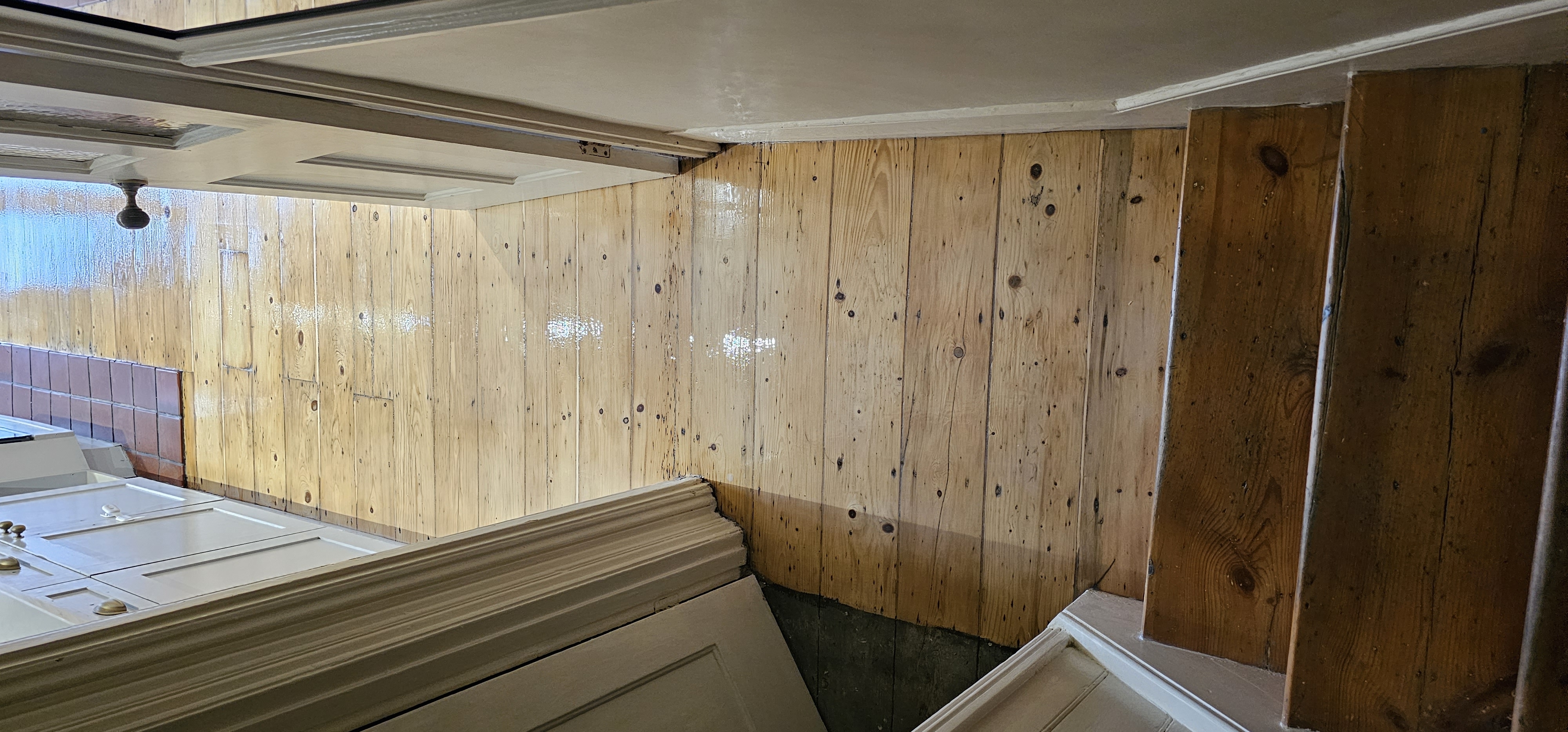

Floorboard Sanding in Crouch End
We recently completed a comprehensive floorboard sanding project in a Victorian terraced house in Crouch End, North London. The property had original pine boards throughout the ground floor, hidden beneath decades of old varnish and surface damage. We stripped back to bare wood and refinished the floors to restore their original character.
Work carried out
- Initial inspection and timber assessment
- Sanding with industrial equipment, three grit progression
- Gap filling between boards with timber-matched filler
- Dust containment and removal throughout the process
- Two coats of water-based polyurethane finish
- Final buffing and inspection
About the project
The client had owned the property for several years but wanted to refresh the ground floor before undertaking other renovations. The original pine boards were in reasonable structural condition, though the surface finish was patchy and worn. Some boards showed minor cupping and there were small gaps between several planks where the wood had moved over time. We spent the first morning assessing the wood, identifying any problem areas, and discussing finishing options with the homeowners.
Our approach involved three stages of sanding, starting with a coarse grit to remove the old varnish and surface damage, then moving to medium and fine grits for a smooth finish. We used our dust containment system throughout, which captures material at the sanding head rather than letting it settle on furniture and fittings. Small gaps between boards were filled with a natural timber filler matched to the pine tone. We applied two coats of water-based polyurethane, which dried between coats, giving a durable yet natural-looking finish that lets the wood grain show through.
About our Crouch End service
Crouch End has a high concentration of Victorian and Edwardian properties, many of which have original timber floors beneath carpet or old finishes. We work regularly across the area, from terraced houses on narrow streets to larger detached properties on the hill. Many of these homes have pine or pitch pine boards that respond well to sanding and refinishing, though some have parquet or block flooring that requires a different approach. The age of properties in the area means we often encounter boards that have been living with the property for over a century, moving and settling naturally.
Newer builds in Crouch End typically feature engineered boards or laminate, which cannot be sanded in the traditional sense. For these, we offer alternative finishes and repairs depending on condition. When we work on period properties, we're careful to respect the original material and character of the floors whilst bringing them back to a practical, attractive state. The mix of property types means we assess each job individually rather than applying a standard approach across the board.
Frequently asked questions
How much does floorboard sanding cost?
Our sanding service typically costs between £25 and £45 per square metre, depending on the condition of the boards and any repairs needed. Heavily damaged floors or those requiring extensive gap filling will be at the higher end. We provide a detailed quote after visiting the property and assessing the work involved.
How long does sanding take?
For a typical ground floor room of around 30 to 40 square metres, sanding usually takes two to three days. This includes the preparation, three stages of sanding, gap filling, and two coats of finish with drying time between coats. Very large spaces or floors in poor condition may take longer. We discuss the timeline when we visit and give you a clear schedule before work begins.
Is the sanding process dusty?
Our industrial sanders are fitted with dust extraction systems that capture material as it's created, rather than releasing it into the air. This keeps the process far cleaner than older methods. We do seal off the work area and ensure proper ventilation, but you won't find dust settling throughout your home. Once we've finished, the space is thoroughly cleaned before we apply any finishes.
Project Gallery